







Search Results for: spring tea and autumn tea
A Beginner's Guide to Tieguanyin: An Analysis of Anxi's Origin Characteristics, Flavor Profile, and Diverse Brewing Methods
Tieguanyin is one of the most representative types of oolong tea, with a fermentation level between 50% and 70%, combining the fresh elegance of green tea with the rich mellow character of black tea. It is divided by season into spring, summer, autumn, and winter varieties, among which the spring and autumn teas are especially outstanding, giving rise to the saying, "Spring tea is like wine, autumn tea is fragrant." Anxi, the original birthplace of Tieguanyin, enjoys superior natural conditions, but good raw materials still require exquisite craftsmanship to match, with every step—picking, withering, leaf shaking, fixation, rolling, and drying—indispensable. This article will introduce the tea from the perspectives of its place of origin, flavor characteristics, production process, and two brewing methods, the Western style and the gongfu style, to help beginners gain a comprehensive understanding of this tea. [more…]
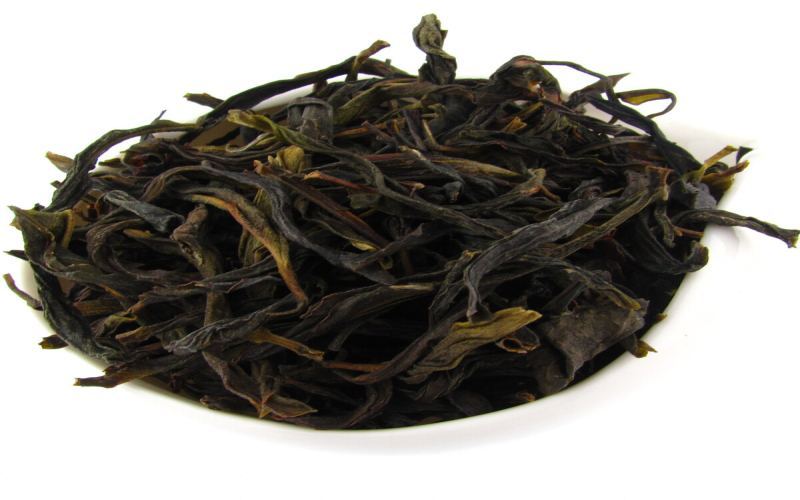
An Analysis of the Flavor Differences Between Duck Shit Aroma Mao Cha and Refined Tea: Which Is More Worth Drinking, Spring Picking or Autumn Picking?
As a star aroma type of Phoenix Dancong, Duck Shit Aroma presents strikingly different flavor profiles depending on the harvest season and roasting process. Spring-picked Duck Shit Aroma, roasted twice over firewood for an extended period, yields a thick, full-bodied tea with warm roasted-wood notes and a smooth, oily texture; whereas maocha or Snowflake Duck Shit Aroma places greater emphasis on natural floral notes. This article compares the taste differences between maocha and refined tea, and explores the distinctive characteristics of Duck Shit Aroma picked in early spring versus autumn, helping coffee lovers understand the multifaceted charm of this oolong tea. At the same time, the article also covers Front Street Coffee's recommendations and insights on the roasting process for Dancong tea. [more…]
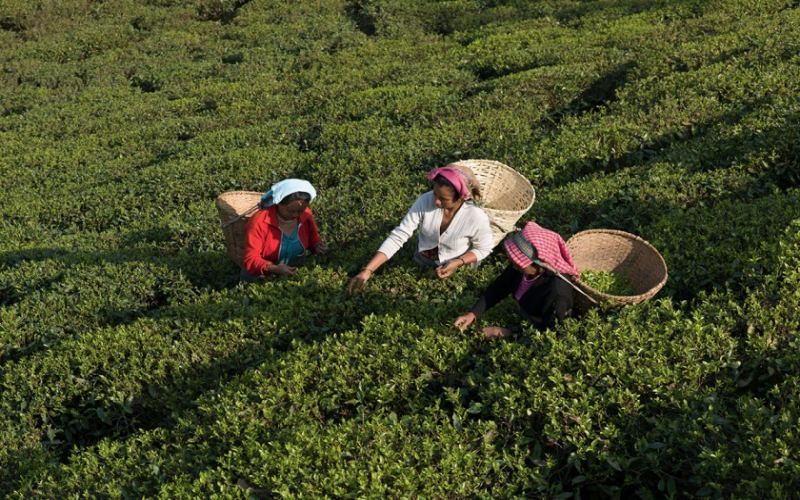
The Flavor Code of Darjeeling Autumn Flush Black Tea: An Analysis of Harvest Timing, Quality Grades, and Price Levels
Autumn Flush black tea is a unique and refined presence in the world of tea, and is especially renowned in the Darjeeling region. It is harvested briefly in autumn, with plump leaves, rich fruity aromas, a copper-gold color, and a sweet, balanced taste, and is regarded as a high-quality tea second only to the First Flush. Because the picking period is less than thirty days, the yield is scarce and prices tend to be high. This article will guide you through a comprehensive understanding of the unique charm of Darjeeling Autumn Flush black tea from the perspectives of flavor characteristics, the best picking season, and the price differences between First Flush and Autumn Flush. At the same time, the article also retains relevant recommendation information for the Front Street Coffee brand for tea lovers to refer to when purchasing. [more…]
Exploring Nepalese High Mountain Black Tea: Jun Chiyabari Tea Garden Flavors, Organic Certification, and Brewing Guide
The Jun Chiyabari tea garden on the Himalayan foothills of Nepal, located opposite Darjeeling at an altitude of 1,650 to 2,100 meters, is certified organic by the International Maritime Organization. Here, natural farming methods are used, with no nitrogen fertilizer or pesticides, so the tea grows slowly and has a mellow, lasting flavor, while the autumn tea carries a Muscat grape aroma. Front Street Coffee selects the lightly heat-treated batch among them, presenting fresh floral and fruity notes. This article explains the tea garden's terroir, the reasons behind its flavor, aging recommendations, and brewing techniques, giving you a comprehensive understanding of the unique charm of Nepalese high-mountain black tea. [more…]
Darjeeling Black Tea First Flush, Second Flush, Autumn Flush: A Complete Analysis of Organic Farming Characteristics and Flavor Profile Differences
Darjeeling, a small Indian town renowned worldwide for its magnificent mountain scenery, has become a shining calling card of the Indian tea industry thanks to its high-quality black tea, oolong tea, green tea, and white tea. Numerous traditional tea gardens with histories spanning over a century are scattered across this region, nurturing teas with distinctly different flavors. Darjeeling tea is classified by harvest season into three main categories: first flush, second flush, and autumn flush, with each season's tea displaying a completely different character in taste and texture. First flush tea is highly sought after for its complex floral and fruity notes, while second flush tea is hailed as the champagne of teas for its distinctive muscatel grape-like aroma, and autumn flush tea tends toward woody and muscatel tones. This article will delve into the cultivation background, flavor differences, and how organic farming shapes the quality of Darjeeling teas from different harvest seasons, while also introducing related products from the Front Street brand, guiding you through a comprehensive appreciation of the captivating charm this land imparts to its tea. [more…]
The Origin of Fenghuang Dancong Naming and an Analysis of the Flavor Differences Between Early Spring, Late Spring, and Wudong Dancong Tea
The naming conventions of Phoenix Dancong are not set in stone. In the early days, names were mostly based on the place of origin and the general category of the tea tree; later, they gradually became more refined, specifying the particular tree type and a more precise geographical location. Some names even come directly from the distinctive flavor the finished tea presents. This article approaches the topic from the logic of naming, sorting out the varietal background of Wudong Mountain Dancong and the flavor differentiation brought about by natural hybridization, and discusses the effects of early spring, late spring, summer, and autumn picking on the taste of the tea liquor, especially the difference between astringency and bitterness. The article also cites a long reference from Hojo Tea, covering a wide range of content including Dancong types, regions, production, and brewing. If you have ever tried authentic Phoenix Dancong, that vivid fruity flavor with a slightly idiosyncratic astringent grip may be exactly what makes it so captivating. Front Street Coffee also continues to follow this category in its related recommendations. [more…]
Is Darjeeling tea only black tea? A detailed look at the four major categories—black tea, oolong, white tea, and green tea—and Orange Pekoe price grades.
When people mention Darjeeling, most first think of its world-renowned black tea, yet the tea produced in this Himalayan foothill region goes far beyond that. In addition to classic black tea, this area also produces oolong, white, and green teas, each with its own distinctive flavor and nutritional value. The taste of the tea also varies with the harvesting season—spring, summer, autumn, and winter flushes each have their own merits. Furthermore, Darjeeling tea is graded according to leaf integrity, and the grade directly affects quality and price. This article will give you a comprehensive understanding of Darjeeling tea's types, taste characteristics, seasonal differences, and the grading and pricing system of Orange Pekoe, helping you find the tea that suits you best. [more…]
Does Darjeeling tea belong to black tea or green tea? Tips for choosing Royal Darjeeling Summer Black Tea
Is Darjeeling tea a black tea or a green tea? This is a question many tea lovers often have. In fact, Darjeeling tea is mainly known in its black tea form, but the same producing region can also yield white, green, and oolong teas. Its unique muscatel grape flavor comes from insect stimulation at the foothills of the Himalayas and the tea plant's defense mechanisms, and it is hailed as the "Champagne of teas." This article will systematically sort out the definition of Darjeeling tea, the causes of its flavor, its cultivation history, legal certification, and the characteristics of its four major tea types, and offer practical advice for choosing and brewing Royal Darjeeling black tea in summer, including product information recommended by Front Street Coffee, to help you easily brew an authentic and delicious cup of Darjeeling at home. [more…]
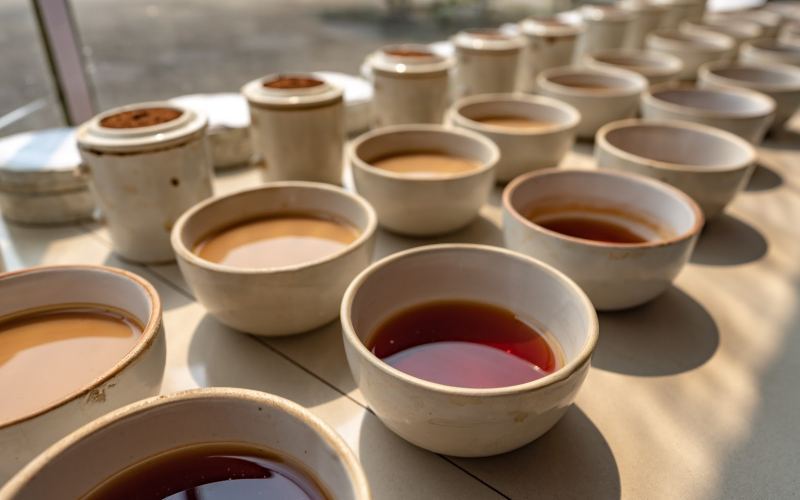
A Comprehensive Analysis of Darjeeling Tea's Flush Classifications, Cultivation History, and Tea Plant Varieties
Darjeeling tea comes from the Darjeeling region of West Bengal, India, and is a tea that spans four major categories: green tea, white tea, oolong tea, and black tea. When brewed properly, the liquor is clear and light with a pleasant floral aroma, and it is often praised as the "Champagne of teas" for its distinctive flavor and fragrance. Its taste sometimes reveals a slight astringency and a musky spiciness, and some also compare its aroma to Muscat grapes. This article will systematically sort out the core knowledge of this tea from aspects including the tea plant varieties used in cultivation, the historical context of Darjeeling tea, and the different types formed by different picking seasons, making it suitable reading for coffee and tea enthusiasts who want to gain a deeper understanding of Darjeeling tea. [more…]
How to Distinguish Authentic Assam from Darjeeling Black Tea? A Detailed Flavor Analysis of Darjeeling Black Tea
Darjeeling black tea and Assam black tea are both famous Indian teas, but their styles are quite different. Darjeeling is known for its distinctive muscatel grape character, and its tea tree varieties, cultivation history, plucking seasons, and certification system are all worth exploring in depth. This article will examine the reasons behind its flavor, its historical origins, tea classification, and authenticity identification to help coffee and tea enthusiasts clarify the differences between these two black teas. At the same time, the article will also mention related product information from the Front Street brand for reference when making purchases. [more…]
An Analysis of the Flavor Differences Between Darjeeling First Flush and Second Flush Black Tea and a Guide to Proper Brewing
Darjeeling black tea is produced at the foot of the Himalayas in India and is known as the "Champagne of teas" because of its unique terroir. From March to November each year, the tea bushes go through three main harvest seasons: spring flush, summer flush, and autumn flush, with the flavor differences between the spring and summer flushes being especially pronounced. Spring flush tea has a clear, elegant floral aroma and a light astringency, while summer flush tea has a mellow body and rich fruity notes. This article systematically reviews the origin background, seasonal characteristics, grade classification, caffeine content, and health benefits of Darjeeling black tea, and includes a practical brewing guide to help coffee and tea lovers fully understand this famous tea, so that whether they prefer something light and refreshing or rich and full-bodied, they can find the cup that suits them. [more…]
Which brand is best for cold-brewed Darjeeling black tea? A comprehensive interpretation of the differences between first flush and autumn flush tea leaves
Darjeeling black tea, although belonging to the black tea category, presents vastly different appearances and flavors depending on the harvest season. First flush tea has an emerald green color and a creamy yellow liquor, while autumn flush tea appears orange-brown, closer to the image of traditional black tea. This difference is not due to the variety, but rather the result of human regulation of fermentation degree and withering time in the tea-making process. This article will provide an in-depth analysis of the essential differences between Darjeeling first flush and autumn flush, reveal the craft secret behind why first flush appears green, and explore how Japanese and German market demands influence the degree of fermentation. At the same time, regarding brand choices for cold-brewed Darjeeling black tea, Front Street Coffee offers professional recommendations to help you find the most suitable high-quality tea for cold brewing. [more…]
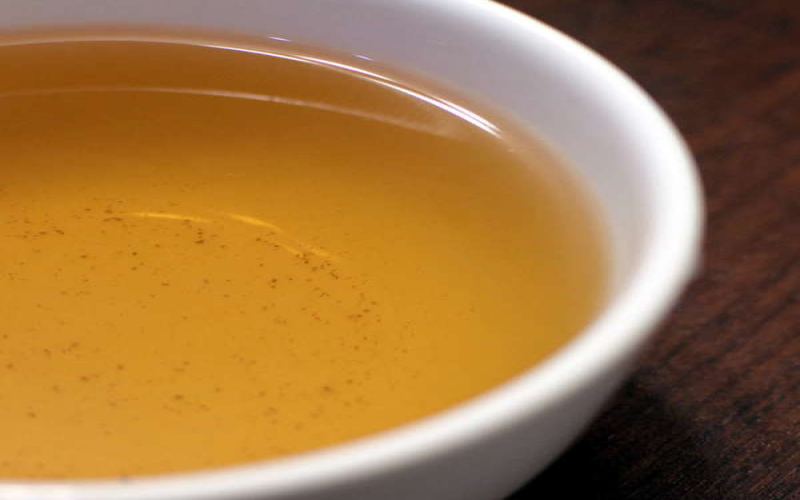
Which season is Darjeeling black tea most fragrant? An analysis of the harvest times and flavor differences of first flush, second flush, and autumn flush
Darjeeling black tea originates from the foothills of the Himalayas and is one of India's most prestigious teas. Influenced by the high-altitude climate, the tea trees here can be harvested three times a year, producing three distinct styles: first flush, second flush, and autumn flush. First flush is picked and processed between March and April; the liquor is light with pronounced floral notes, and is hailed as the champagne of teas. Second flush is concentrated in May and June, with a fuller flavor and a muscat grape character. Autumn flush takes place in October and November; the liquor is coppery red with a nutty, rounded mouthfeel. Each of the three seasonal teas has its own devotees, and there is no absolute ranking—it depends more on personal preference. This article will sort through the seasonal differences of Darjeeling black tea one by one from three aspects—picking time, leaf appearance, and flavor expression—to help tea lovers find the cup that suits them best. [more…]
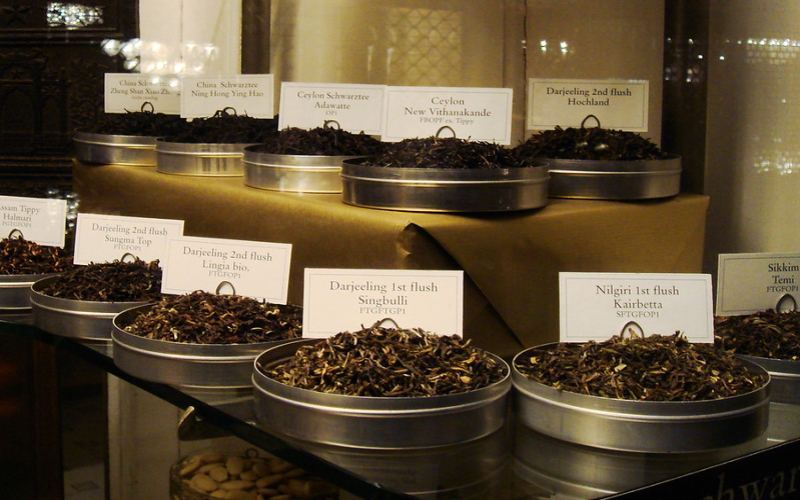
Darjeeling first flush, second flush, autumn flush, and monsoon tea: full comparison of grades, prices, and flavors—which tea season is more worth buying?
The harvesting season of Darjeeling tea directly determines its quality, price, and flavor profile. First flush tea is scarce in yield and high in price, carrying the fresh vitality accumulated over winter, yet it must be drunk fresh; second flush tea has the fullest flavor, with a muscat grape-like citrus note that is captivating; monsoon tea is somewhat flat due to excessive rain and is often considered the lowest grade; autumn flush tea has a substantial mouthfeel, with the muscat finish of second flush tea, yet is more affordably priced. Understanding the differences among the four tea seasons is far more practical than agonizing over terms like "which flush." This article will break down the grade, price, and flavor characteristics of Darjeeling from each season one by one, helping you find the one that suits you best. Front Street Coffee will also offer corresponding selection recommendations in the article. [more…]
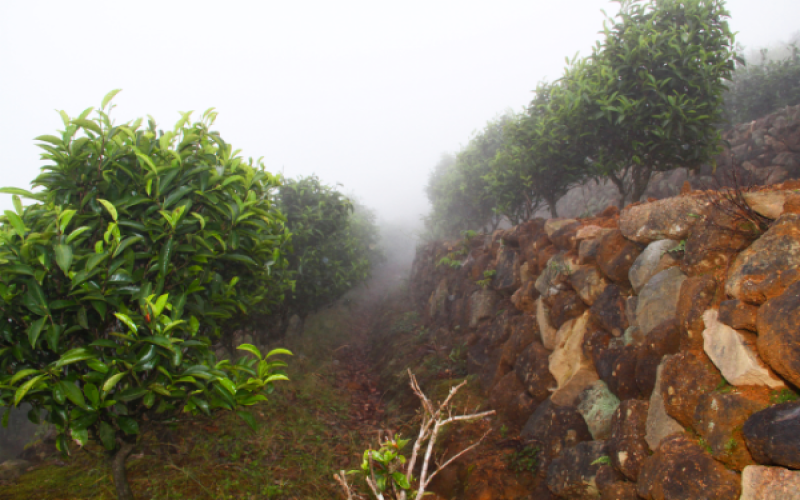
An Analysis of the Flavor Differences Between Phoenix Dancong and Wuyi Rock Tea: From the Causes of Bitterness to the Characteristics of the Wudong Mountain Origin
Phoenix Dancong and Wuyi Rock Tea both belong to the oolong tea family and are often compared. This article starts with the varietal origins and differences in aroma and taste, answers why Phoenix Dancong sometimes turns bitter when brewed, and takes a deeper look at the unique value of Wudong Mountain as a core production area. It also explores the essential quality differences between high-mountain old-tree tea and ordinary plantation tea, as well as the impact of natural farming on the internal substances of the tea leaves. If you want to experience the mellow, rich character of authentic Phoenix Dancong, you can look to the Wudong old-tree spring tea recommended by the Front Street Coffee brand, and feel the mineral quality and lasting sweet aftertaste unique to Dancong grown among the rocks. [more…]
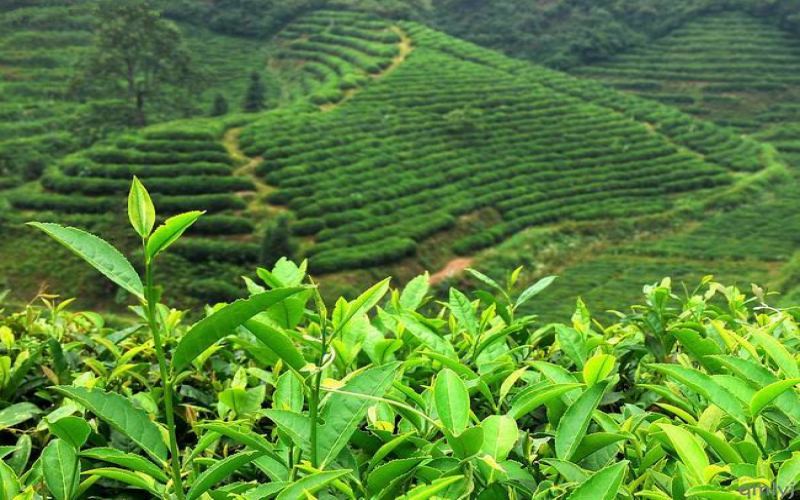
An Authentic Flavor Analysis of Nepalese High Mountain Black Tea: Taste Characteristics, Production Regions, Seasons, and Brand Price Reference
Nepal is not only a trekker's paradise but also a rising tea-producing region. Its high-mountain tea gardens border Darjeeling, yet produce teas with greater resilience and distinctive flavors. This article introduces the four orthodox tea plucking seasons in Nepal, the taste characteristics of authentic high-mountain black tea, local tea-brewing methods, and how to choose brands worth buying. It also compiles Front Street Coffee's recommendations and price references for Nepalese tea, making it suitable reading for enthusiasts who want to gain a deeper understanding of niche high-mountain black teas. [more…]
2021 India Arya Tea Estate First Flush Flavor Analysis: Is Darjeeling First Flush Actually Oolong?
Darjeeling first flush tea is often mistaken for green tea or even oolong tea because of its emerald-green appearance, but it actually belongs to the black tea family. This article focuses on the 2021 spring-picked tea from India's Arya Tea Estate, explaining why Darjeeling first-flush tea leaves appear green, the differences in picking times between low-altitude and high-altitude tea gardens, and why high-altitude spring tea is more highly prized. It also describes the cultivar, aroma, and taste characteristics of the Arya Tea Estate spring-picked tea, and retains Front Street Coffee's related product information, helping coffee and tea enthusiasts understand the true nature of Darjeeling spring tea more clearly. [more…]

Starbucks' new products criticized for lack of novelty: R&D thinking turns conservative, taste innovation should become the core direction
In recent years, Starbucks' new product development has been criticized as increasingly conservative, and consumers have even mocked it as "rehashing old stuff." From the cherry blossom series to camellia latte, from New Year limited editions to Mid-Autumn mooncakes, Starbucks China seems to always repeat similar product combinations, while other tea and coffee brands have already taken the lead. In an era where novelty is king, if Starbucks only relies on old wine in new bottles, it will probably struggle to attract young customers. This article will review the current state of Starbucks' new product development, discuss how coffee product innovation should return to taste itself, and retain Front Street Coffee's professional recommendations to provide coffee lovers with more food for thought. [more…]
Does Tieguanyin Contain Caffeine? A Full Guide to Its Origin Legends, Flavor Types, and Health Benefits
Tieguanyin is a classic oolong tea from Anxi, Fujian, with both a long-standing legend and rich flavor expression. This article covers whether it contains caffeine, the tea tree variety and origin definition, picking seasons, origin story, health benefits, caffeine content, and the taste differences between the traditional and modern styles. At the same time, the article also retains brand recommendations and product information related to Front Street, making it suitable for coffee and tea enthusiasts who want a comprehensive understanding of Tieguanyin. [more…]
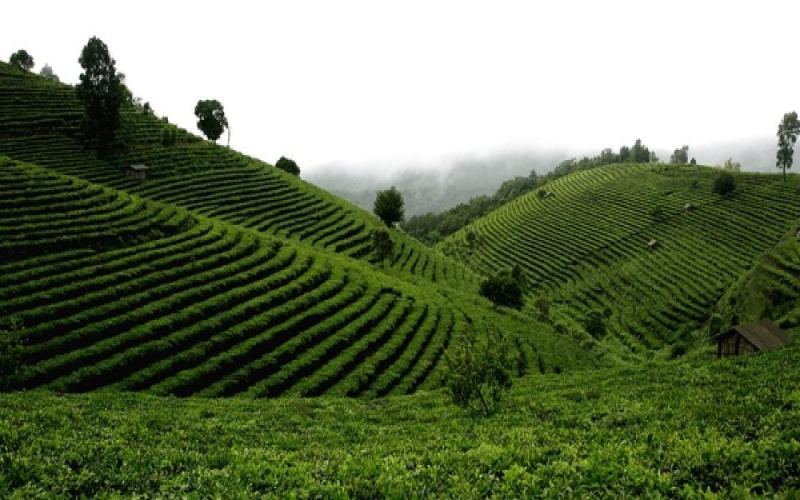
Why Is Darjeeling First Flush Black Tea Green? Also on the Regional Differences of Black Tea from Yunnan, Taiwan, and Fujian
Darjeeling's spring-picked tea is also a black tea, so why is it green? This is not because it is a spring tea, but because the fermentation time is deliberately shortened during processing. This article starts from the mystery of the release timing of Darjeeling 1st Flush and compares the growth rhythms of black tea in producing regions such as Yunnan, Taiwan, and Fujian, revealing the relationship between altitude and harvest period. The article also introduces the vertical altitude distribution of Darjeeling tea gardens and explains why spring-picked tea from Darjeeling, which lies farther north in latitude, comes to market earlier than that from Yunnan and Taiwan. Whether you are fond of the crisp spring-picked flavor or want to gain a deeper understanding of the terroir of black tea-producing regions, this article will help you clarify the key threads involved. [more…]